Last updated on November 30th, 2025 at 02:38 pm
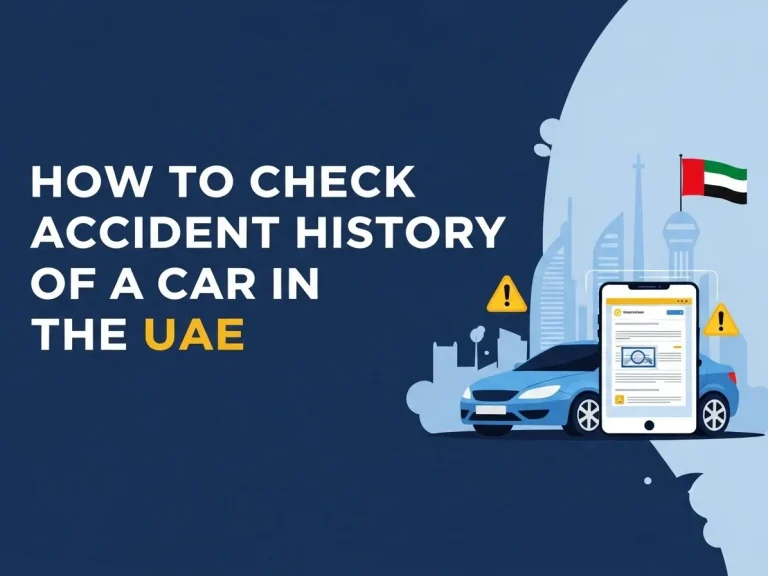
Purchasing a used car in the UAE can be challenging if you’re unaware of its history. Past accidents or damages might not always be visible, yet they can affect the car’s performance, safety, and value. Knowing a vehicle’s accident record beforehand gives you confidence in your purchase and helps you avoid unexpected repair costs.
The good news is that checking a car’s accident history in the UAE is straightforward. By using official online portals, police records, and insurance reports, you can uncover a car’s past in just a few steps. All you need is the Vehicle Identification Number (VIN), which is usually found on the registration card (Mulkiya) or the car itself. This guide will show you exactly how to check accident history for any vehicle across the UAE! Quickly, reliably, and with complete peace of mind. Before buying a used vehicle, it’s also smart to check car fines in the UAE to avoid unpaid penalties.
Why You Should Check a Car’s Accident History
Verifying a car’s accident history is one of the most important steps before buying a used vehicle in the UAE. Accident records provide essential information about any past damages or repairs, allowing you to make an informed decision. To stay fully compliant, many drivers also need to renew their car registration in Dubai before transferring ownership.
Importance of Verifying Accident Records:
- Ensures the car is structurally sound and safe to drive.
- Helps uncover past damages that may not be visible during a routine inspection.
- Confirms the accuracy of service and repair history for future reference.
Risks of Skipping This Check:
- Hidden Damages: Minor accidents can leave lasting issues, such as frame damage or engine problems that may not be apparent until later.
- Safety Hazards: A car with an undisclosed accident history might compromise your safety on the road.
- Resale Issues: Cars with hidden accidents often lose value quickly and can be challenging to sell. If you’re considering renting a vehicle instead of buying, learn how to rent a car in Dubai the right way.
Understanding Vehicle Identification Number (VIN) or Chassis Number
Before checking a car’s accident history in the UAE, it’s essential to know its Vehicle Identification Number (VIN), also known as the chassis number. The VIN is a unique 17-character code that acts like a car’s fingerprint. It contains essential details about the vehicle, including the manufacturer, model, production year, and sometimes accident and service history. Sometimes vehicles fail to start after long periods, so it helps to know how to jump-start a car.

Why the VIN Is Essential for History Checks:
- It ensures you are checking the correct vehicle, avoiding mistakes with similar cars.
- It allows access to official records from the Ministry of Interior (MOI), RTA, insurance companies, and other authorised sources.
- It helps trace past accidents, repairs, and even potential recalls or fraud alerts.
How the VIN Helps Trace Accident and Service Records:
The VIN is the key to unlocking a car’s full history. Once you have the VIN, you can use online portals, police records, and insurance databases to find:
- Previous accidents or damages reported
- Repairs and service history
- Ownership changes and registration details
Where to Find Your Car’s VIN / Chassis Number:
- On the Car Dashboard – Most modern vehicles display the VIN on the driver’s side of the windshield.
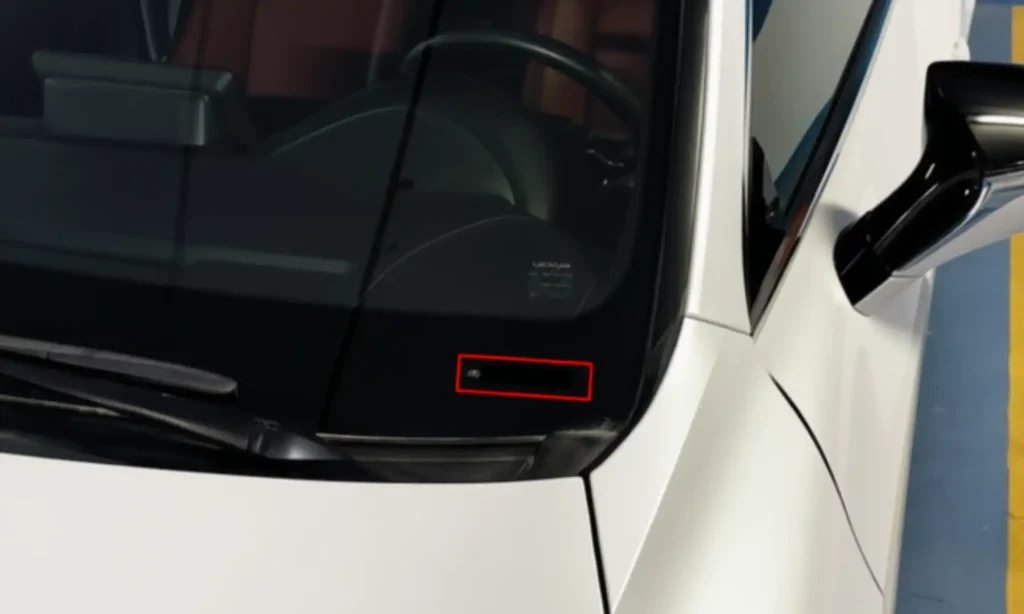
- Driver-Side Door Frame / Side Panel – A sticker or plate on the door jamb typically shows the VIN.
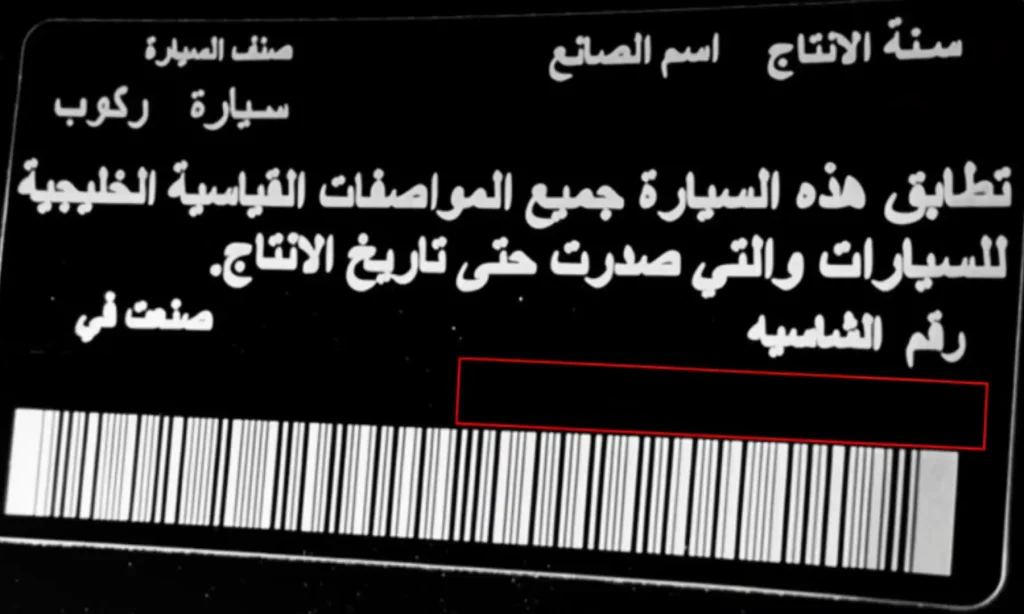
- Mulkiya (Registration Card) – The vehicle registration document contains the VIN and is an official reference when checking accident history.

- Insurance Documents – Sometimes listed on policy papers, proper for cross-verifying accident claims.
Once you have the VIN, you’re ready to use official UAE portals and services to uncover the car’s accident and service history, ensuring a safe and informed purchase. If you’re exploring car technology, you might also want to know what a hybrid car is and how it works.
Official Online Tools for Checking Car Accident History in UAE
Checking a vehicle’s accident history is crucial for making an informed decision when purchasing a car. The UAE offers several official online tools and platforms that provide accurate and reliable data. Using these resources, buyers can verify past accidents, service records, and ownership details, ensuring transparency and confidence in their purchase. Below is a detailed guide on each platform. Browse more auto guides in the Automobile category.
1. Ministry of Interior (MOI)
The Ministry of Interior (MOI) provides an official portal for checking the accident history of cars registered anywhere in the UAE. This platform is handy for vehicles that have been registered in multiple emirates or transferred between owners.
How to Check Car Accident History via MOI Website
Step-by-Step Guide:
- Visit the MOI Website: Go to the Ministry of Interior’s official website and navigate to the “Traffic Accident Inquiry” section. Explore more UAE auto resources on Arabian Vox.

- Enter the VIN or Chassis Number: Input the vehicle’s unique 17-character VIN. This ensures the search corresponds to the exact car.

- Submit the Request: Click “Search” to retrieve the accident records.
- Review the Results: The portal provides a detailed list of past accidents, including the date, location, type of accident, and report number.
Image here
Information Provided:
- Number and dates of accidents
- Locations and details of reported incidents
- Official accident report numbers for reference
The MOI portal is comprehensive and covers all emirates, making it a reliable tool for checking accident history across the UAE.
2. Emirates Vehicle Gate (EVG)
The Emirates Vehicle Gate (EVG) is an official platform that allows users to check vehicle data for cars registered in several emirates, including Abu Dhabi, Sharjah, Ajman, Ras Al Khaimah, Umm Al Quwain, and Fujairah. Note that EVG does not include Dubai-registered vehicles.
How to Use EVG to Check Car Accident Records
Step-by-Step Instructions:
- Access the EVG Website: Visit https://evg.ae.
- Select Traffic Accident Management: Use the “Quick Search” or log in for a more detailed report.

- Enter the VIN or Chassis Number: Type the car’s VIN in the provided field.
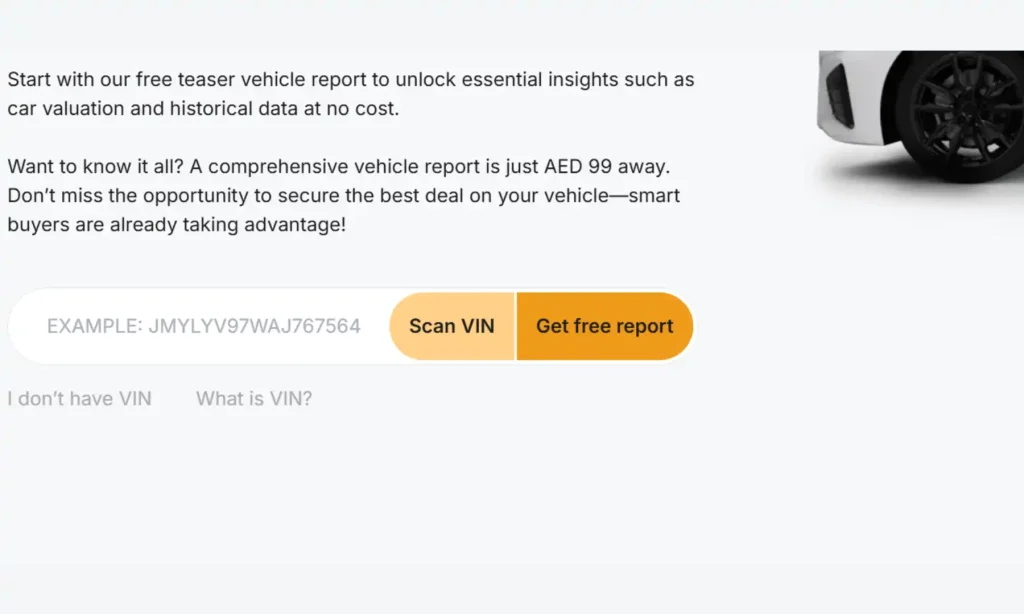
- View the Results: The portal will display all recorded accidents associated with the vehicle. If there are no reported incidents, the system will confirm a clean history.
Benefits of Using EVG Reports:
- Covers multiple emirates beyond Dubai
- Provides verified, official data directly from government records
- Easy-to-use interface with clear accident reports
3. Roads and Transport Authority (RTA) Dubai
For vehicles registered in Dubai, the RTA provides a specialized service through the Technical Vehicle Status Certificate, which includes accident history along with other important details.
How to Use the RTA Dubai Website to Check Accident History
Step-by-Step Instructions:
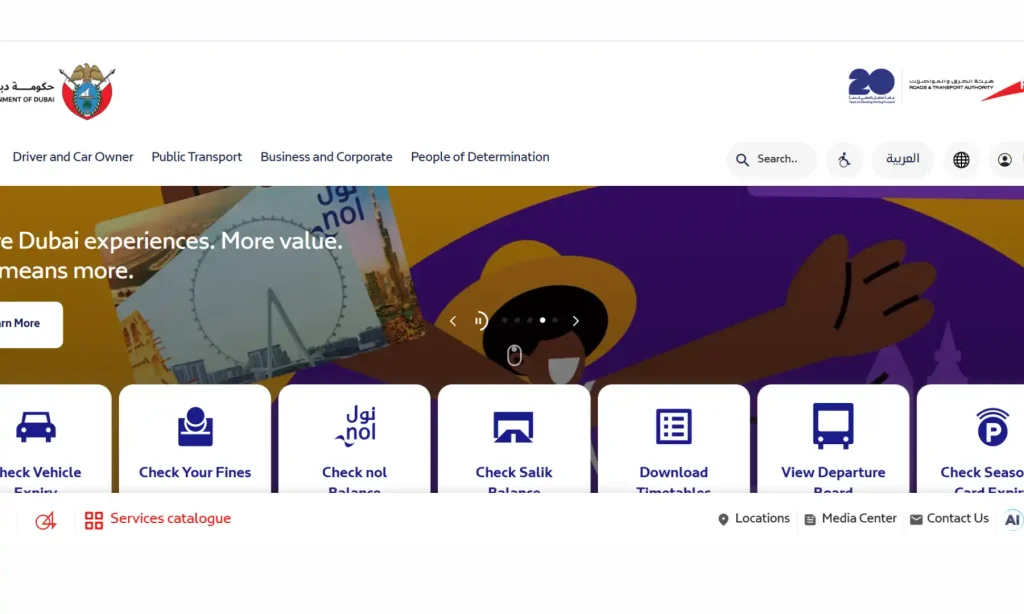
- Visit the RTA Website: Go to the RTA Dubai portal and navigate to the “Vehicle Services” section.
- Request a Technical Vehicle Status Certificate: This certificate costs AED 120 and provides a comprehensive overview of the vehicle.
- Enter the VIN: Input the car’s VIN to retrieve its history.
- Review the Certificate: The report shows accident history, insurance claims, ownership details, and registration updates.
Understanding Accident Report Details:
- Each accident entry includes date, location, and severity.
- Repairs performed may be indicated.
- Ownership and insurance history help verify past claims.
The RTA service is particularly valuable for Dubai residents as it provides verified and official records that are widely accepted for legal and purchase purposes.
4. Abu Dhabi Police / TAMM Portal
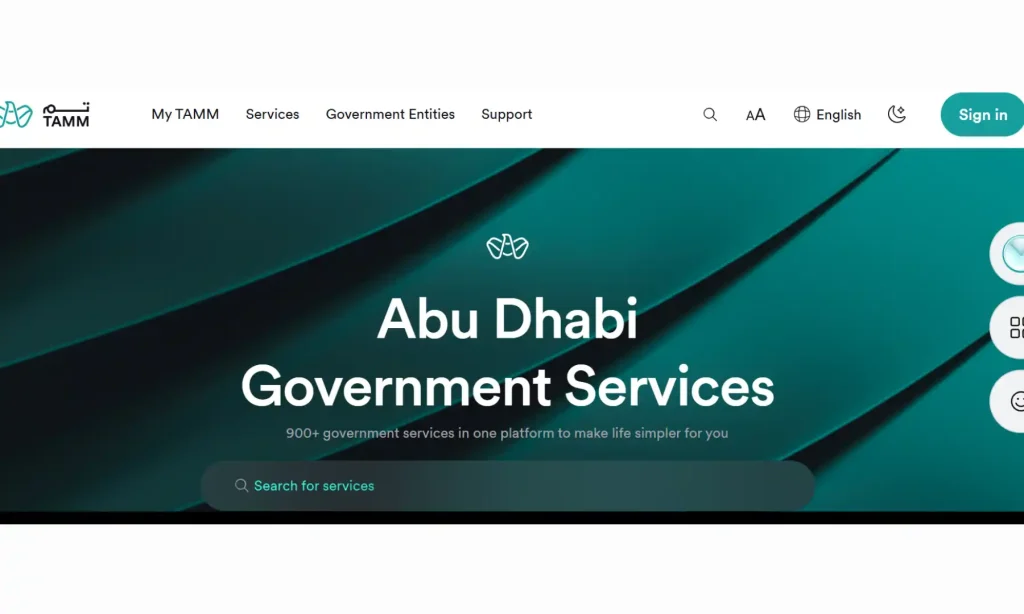
Abu Dhabi residents can use the TAMM portal, linked with the Abu Dhabi Police, to check the accident history of vehicles registered in the emirate.
Steps to Check Accident History (Abu Dhabi Police):
- Visit Abu Dhabi Police
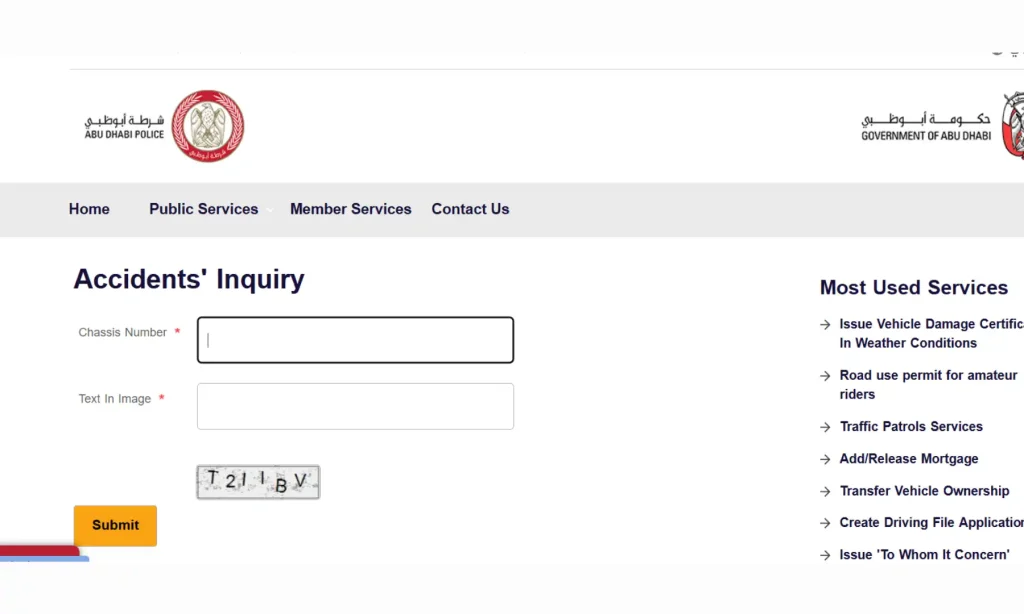
- Enter your Vehicle Identification Number (VIN).
- View the accident details.
Steps to Check Accident History (TAMM):
- Go to tamm.abudhabi and search for “View Vehicle Accident History.”
- Log in using your UAE Pass.
- Enter your VIN to access the accident report.
Accessing Detailed Police Records:
- Covers all vehicles officially registered in Abu Dhabi
- Shows the complete accident history for verification
- Provides official records that can be used for insurance or resale purposes
5. Other Emirates – Sharjah, Ajman, Ras Al Khaimah, Umm Al Quwain, Fujairah
For vehicles registered in these emirates, buyers can request accident history from the local police or transport authority websites. Steps generally include:
- Visiting the official police or transport portal of the respective emirate.
- Enter the VIN or chassis number of the vehicle.
- Accessing any available accident records or reports.
Each emirate may have slightly different procedures, but official portals provide verified and accurate information.
Private Services for Car History Checks
In addition to official government portals, several private platforms offer detailed vehicle history reports. These services are beneficial if you want extra insights beyond accident records, such as market value, mileage verification, or condition assessments.
Third-Party VIN Check Platforms:
- VehicleReport.me: Offers detailed reports including past accidents, service history, mileage checks, and estimated market value. Some features may be available for free, but full access typically requires a payment.

- CarReport.com: Provides comprehensive car history checks, including odometer verification, accident records, and damage assessments. Helpful in verifying seller-provided information.
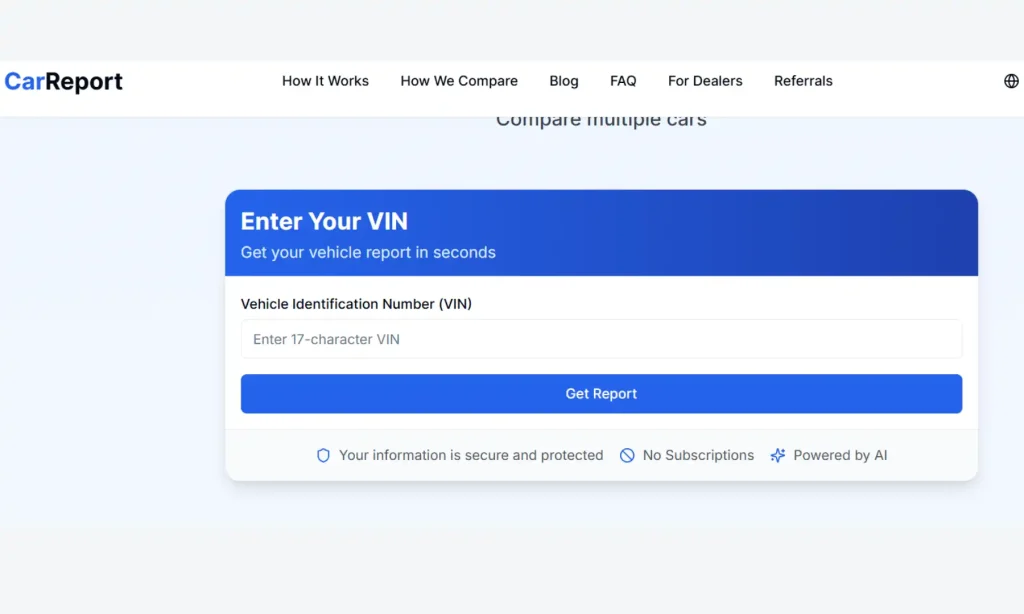
- Other Platforms: Several other UAE-based services offer similar VIN-based reports, often including comparisons of market prices, insurance claim history, and detailed car condition insights.
Tips for Using Private Services Safely:
- Cross-verify information: Always compare private reports with official sources, such as MOI, RTA, or EVG, to ensure accuracy.
- Check Credibility: Use well-established and reputable platforms; avoid unverified websites that may provide inaccurate or incomplete data.
- Understand Limitations: Private reports may charge fees ranging from AED 50 to AED 200 and should not be considered a replacement for official government records.
- Use as a Supplement: Treat private reports as an additional tool to gain more insights, but rely primarily on official accident and registration records for legal and safety assurance.
Tips for Safe Used Car Buying in the UAE
Careful research and verification are needed to avoid unexpected issues. Here are essential tips to ensure a safe and informed purchase:
- Verify the Vehicle History: Always check official accident records, service history, and ownership details using the car’s VIN. Don’t rely solely on seller claims.
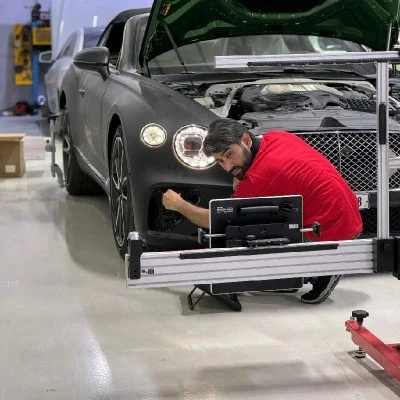
- Physical Inspection: Examine the car thoroughly for hidden damage, uneven paint, or signs of previous repairs. Consider hiring a professional mechanic for a detailed assessment.
- Test Drive the Car: Pay attention to engine performance, brakes, steering, and unusual noises. This helps detect issues that may not appear on paper.
- Confirm Ownership and Legal Status: Check the Mulkiya (registration card) to ensure the car is not stolen, under finance, or involved in legal disputes.
- Compare Prices and Market Value: Research similar models to avoid overpaying. Private reports and online listings can provide an estimate of fair market value.
- Check Insurance History: Reviewing past insurance claims can reveal accidents or major repairs that may not be obvious during inspection.
- Use Reputable Dealers or Certified Sellers: When possible, purchase from trusted dealerships that provide verified reports and guarantees for added security.
Protecting Yourself from Fraud
Used car scams are a real concern in the UAE market, with some sellers attempting to hide previous accidents by repainting or repairing vehicles. Protecting yourself requires vigilance and careful verification. Here are key strategies:
- Always Request Official Accident History Reports: Obtain the car’s VIN-based report from MOI, RTA, or EVG before finalising any deal.
- Cross-Check with a Trusted Workshop: Take the car for a professional inspection to identify hidden damages that may not appear in reports.
- Avoid Cash-Only Transactions Without Documentation: Ensure every payment is documented, and a proper contract is in place.
- Work with Certified Dealers: RTA-approved or certified dealers offer an extra layer of security and transparency.
Quick Comparison: Dealer vs. Private Seller Accident Checks
When buying a used car, understanding the differences between purchasing from a dealer versus a private seller can help you make an informed choice:
| Factor | 🏢 Dealer | 🙋♂️ Private Seller |
|---|---|---|
| 📄 Accident Report Availability | ✅ Usually provided upfront | ⚠️ Must be specifically requested |
| 💳 Financing Options | 🏦 Easier through banks or financing institutions | 💰 Limited, often requires full payment upfront |
| 🔒 Fraud Risk | ✅ Lower, due to certified inspections and official documentation | ⚠️ Higher, especially if the seller is inexperienced or unverified |
| 💬 Price Flexibility | 💼 Limited, prices are often fixed based on a certified evaluation | 💸 More negotiable, but higher risk |
Confide in Trusted Dealers for Accident-Free Cars
When purchasing a used car, working with a reputable dealer can save you time, money, and potential headaches. Trusted dealerships carefully inspect each vehicle before sale, ensuring it meets safety standards and has a verified accident-free history.
These dealers often provide detailed reports, certified inspections, and transparent information about the car’s past, giving buyers peace of mind. Choosing a certified dealer also reduces the risk of hidden damages, disputed ownership, or inaccurate accident claims.
By relying on professional dealerships, you can confidently select a high-quality used car with verified history, proper documentation, and full assurance of reliability.
Trusted Info, The Arabian Vox Way!
At Arabian Vox, we turn facts into clarity! Whether you’re decoding car histories or exploring UAE updates, we bring you verified, easy-to-understand information that minimises the confusion. Think of us as your go-to guide for everything authentic, helpful, and a little bit fun!
FAQs
How to Check Car Accident History in UAE with VIN / Chassis Number?
Use official platforms like MOI, EVG, RTA, or Abu Dhabi Police by entering the car’s 17-character VIN or chassis number to access detailed accident records.
How to Check Car Accident History in Dubai?
For Dubai-registered vehicles, visit the RTA Dubai portal and request a Technical Vehicle Status Certificate using the VIN. The certificate shows accident history, insurance claims, and ownership details.
Why Is It Important to Check Car Accident History?
It helps identify hidden damages, ensures safety, avoids unexpected repair costs, and protects resale value. Verifying history also reduces the risk of fraud.
Is Checking Car History Free in UAE?
Some services, like basic MOI or Abu Dhabi Police searches, are free. Others, like RTA Dubai Technical Vehicle Status Certificates, may have a small fee (e.g., AED 120).
Can I Check Accident History Without VIN?
No. The VIN or chassis number is required for accurate and official accident history checks. Without it, reports cannot be retrieved.
How Long Does It Take to Get a Report?
Most online platforms provide instant results after entering the VIN. Some certificates, like RTA Dubai’s, may take a few minutes to generate after payment.
Can I Check the Accident History of Imported or GCC Cars?
Yes. Official UAE portals like MOI and EVG often include records for imported vehicles or GCC-registered cars, but the availability may vary depending on the emirate and registration history.