

Last updated on December 27th, 2025 at 02:10 pm
Hybrid cars are changing the way we drive. They combine a traditional gasoline engine with an electric motor to deliver power, performance, and efficiency in one package. Instead of relying only on fuel, a hybrid uses both energy sources smartly. This helps save fuel and reduces harmful emissions.
In the UAE, hybrid cars are becoming more popular every year. Drivers in Dubai, Abu Dhabi, and Sharjah are choosing hybrids for their smooth performance, fuel savings, and lower running costs. As fuel prices rise and environmental awareness grows, more people are looking for cars that are practical and eco-friendly.
Hybrid technology offers the best of both worlds. It provides the comfort of a regular car and the innovation of electric driving. Whether you are driving through busy city streets or long desert highways, a hybrid gives you a quiet, efficient, and reliable experience.
In this guide, we will explore how hybrid cars work, their key components, and why they are becoming the smart choice for modern drivers in the UAE. If you’re curious about modern brands, see which country MG cars are made in.
What Is a Hybrid Car?
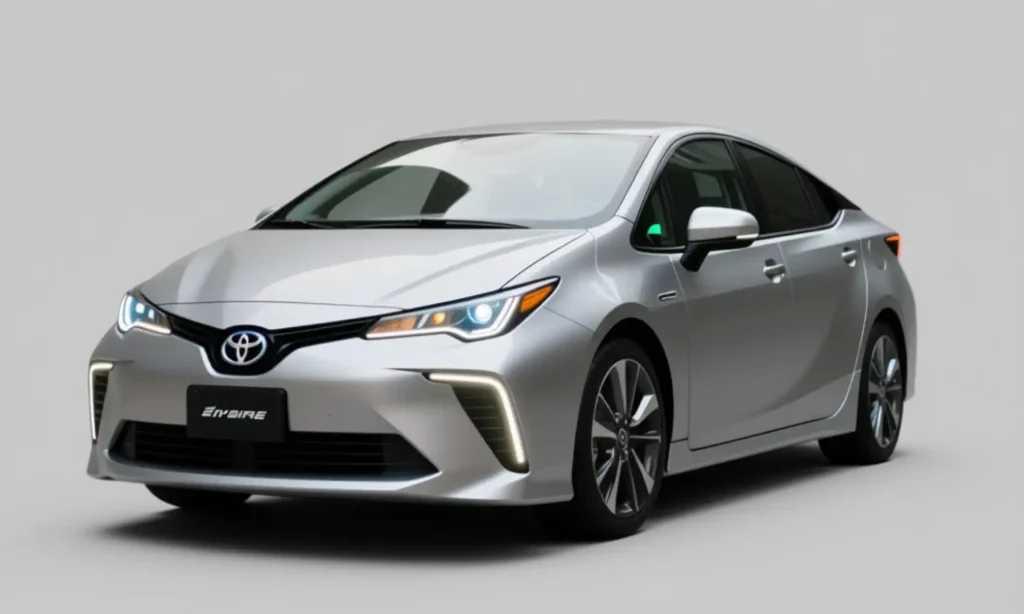
A hybrid car is a vehicle that uses two power sources! A conventional internal combustion engine and an electric motor are used to move the car efficiently. The two systems work together or separately depending on driving conditions, which helps improve fuel economy and reduce emissions.
Most hybrid cars use a petrol engine combined with an electric motor, though a few models use a diesel engine. The electric motor assists the engine during acceleration and low-speed driving, reducing the load on the engine and saving fuel. When extra power is needed, both the engine and the motor work together to provide smooth performance. Performance fans might also enjoy reading about the fastest car in the world.
Unlike full electric vehicles, standard hybrids do not need to be plugged in. Their batteries are charged automatically while driving through a process called regenerative braking, which converts energy from braking into electricity stored in the battery. This makes hybrids convenient for everyday use, as they never require an external power source. Hybrid technology is now used even in premium models — check out the most expensive cars in the world.
Difference Between Hybrid, Electric, and Traditional Cars
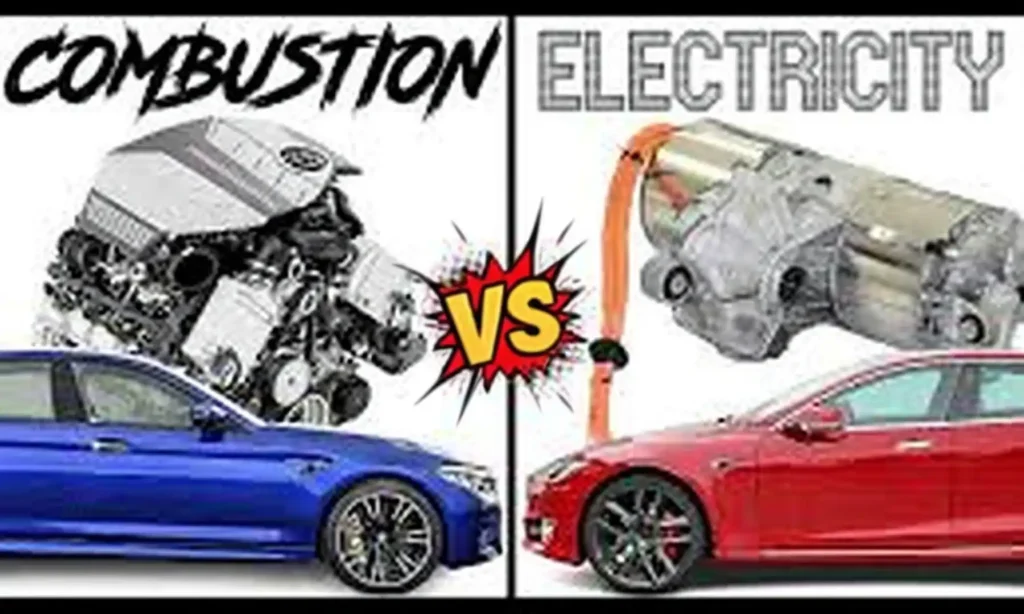
- Traditional cars run entirely on a petrol or diesel engine and rely completely on fuel for power.
- Hybrid cars combine a fuel engine and an electric motor, switching between them to save fuel and lower emissions.
- Electric cars (EVs) run only on electric power stored in large batteries, which need to be charged from an external outlet or charging station.
How Do Hybrid Cars Work?
By combining the power of a gasoline engine with an electric motor, the system automatically switches between the two power sources or uses them together, depending on the driving situation.
At low speeds or in city traffic, the electric motor often powers the car on its own. This helps save fuel and reduces emissions. When more power is needed, such as during acceleration or highway driving, the gasoline engine starts to provide extra strength. In many cases, both the engine and motor work together for maximum performance and efficiency.
The battery in a hybrid stores electrical energy used by the motor. It is not charged by plugging into an outlet. Instead, it recharges through regenerative braking, a process that converts energy normally lost during braking into electricity. This energy is then stored in the battery for later use.
A power control system manages the energy flow between the engine, motor, and battery. It decides when to use electric power, when to start the engine, and when to recharge the battery. This automatic balance allows the car to deliver high performance while maintaining excellent fuel economy.
Exploring the Role of the Internal Combustion Engine & Electric Motor
They create a balance between performance, efficiency, and smooth driving. Depending on the driving situation, the car automatically decides which power source to use or when to combine both for the best results. For basic maintenance, it helps to know how to jump-start a car.
Internal Combustion Engine (ICE)
The internal combustion engine is responsible for powering the car during high-speed driving or heavy acceleration. It uses petrol (or sometimes diesel) to generate power and can also help recharge the hybrid battery through the regenerative system. Unlike traditional engines, the hybrid engine works more efficiently because it doesn’t always need to run continuously.
Electric Motor
The electric motor uses energy stored in the battery pack to drive the car, especially at low speeds or during city driving. It provides instant torque for quick acceleration and assists the engine whenever extra power is required. During braking, it also helps recover energy and send it back to the battery, improving fuel efficiency. UAE residents can also explore how to renew their car registration.
Key Components of a Hybrid Car
Below are the major components that make a hybrid vehicle function smoothly:
Battery (Auxiliary)
The low-voltage auxiliary battery powers essential accessories and helps start the vehicle before the main traction battery activates.
DC/DC Converter
This device converts high-voltage power from the traction battery to lower-voltage power used for vehicle systems and recharging the auxiliary battery.
Electric Generator
The electric generator captures energy from the wheels during braking and converts it into electricity. This energy is then stored in the traction battery pack for later use.
Electric Traction Motor
Powered by the traction battery, the electric motor drives the vehicle’s wheels. It provides instant torque for smooth acceleration and can also act as a generator during braking.
Exhaust System
The exhaust system directs gases produced by the combustion engine out of the vehicle. It includes a catalyst designed to minimize harmful emissions.
Fuel Filler
The fuel filler is the opening where the nozzle from a fuel dispenser connects to refill the gasoline tank.
Fuel Tank (Gasoline)
The fuel tank stores gasoline that powers the internal combustion engine when additional energy is needed.
Internal Combustion Engine (Spark-Ignited)
This engine burns fuel by mixing air and gasoline, then igniting it with a spark plug. It powers the vehicle directly or generates energy for the electric motor.
Power Electronics Controller
This system controls the flow of electricity between the traction battery and the electric motor. It manages the vehicle’s speed, torque, and energy efficiency. Learn more about cars on Arabian Vox.
Thermal System (Cooling)
The cooling system maintains the correct operating temperature for the engine, electric motor, battery, and other components to ensure consistent performance.
Traction Battery Pack
This is the main high-voltage battery that stores energy for the electric motor. It recharges automatically through regenerative braking and the engine’s power output.
Transmission
The transmission transfers power from the engine and electric motor to the vehicle’s wheels. It ensures smooth gear transitions and balanced energy use during driving. Explore more auto topics in the Automobile category.

How Does Regenerative Braking Work?
Regenerative braking captures the energy normally lost during braking and converts it into electricity.
When you press the brake, the electric motor switches to generator mode. Instead of wasting kinetic energy as heat, it sends it back to the battery for storage. This process not only slows the vehicle but also recharges the battery. As a result, it improves overall fuel efficiency and extends driving range.
How Small Is a Hybrid’s Battery?
A hybrid’s battery is much smaller than a full electric vehicle’s battery! Usually just 1 to 2 percent of its size. Most hybrid batteries are around one kilowatt-hour (kWh) in capacity. Despite the small size, it’s enough to power essential hybrid functions like regenerative braking and electric motor assistance. The system balances power between the engine and motor efficiently, ensuring smooth performance and better fuel economy.
Types of Hybrid Cars
Parallel Hybrids
They are the most common type of hybrid vehicles. In this system, both the engine and electric motor can power the car, either separately or together. The electric motor usually operates at lower speeds, providing efficient and quiet driving, while the gasoline engine takes over as the speed increases. This balance helps deliver smooth performance and better fuel economy, making parallel hybrids ideal for daily use.
Series Hybrids
It works differently because only the electric motor drives the wheels. The gasoline engine doesn’t power the car directly! It acts as a generator that produces electricity when the battery charge runs low. This design offers a quiet and smooth driving experience, especially during city drives where frequent stops and starts are common.
Plug-in Hybrids (PHEV)
Plug-in hybrids have larger batteries compared to regular hybrids and can be charged using an external power source. These vehicles can run for longer distances on electric power before the gasoline engine kicks in, which helps reduce fuel consumption and emissions. Plug-in hybrids are ideal for short commutes and drivers who want the flexibility of both electric and fuel power.
Mild Hybrids
Mild hybrids use a smaller electric motor that assists the engine during acceleration and braking but can’t power the car alone. This setup improves fuel efficiency and reduces emissions without adding much complexity or cost. Mild hybrids are lightweight, efficient, and well-suited for drivers seeking better mileage without fully switching to electric power.
Full Hybrids
This can operate using the engine, the electric motor, or both. They can run short distances on electric power alone at low speeds and automatically switch to the engine for higher power demands. This combination delivers impressive fuel efficiency and flexibility, making full hybrids one of the most balanced options for modern driving.
Fuel-Cell Hybrids
They use hydrogen as their main energy source to generate electricity for the motor. These vehicles produce zero harmful emissions, releasing only water vapor, which makes them one of the cleanest automotive technologies available. Combining hydrogen fuel cells with hybrid efficiency offers a sustainable alternative to traditional cars.
Performance Hybrids
Focus on delivering power and speed without compromising efficiency. They use electric motors to boost the output of the gasoline engine, resulting in quicker acceleration and smoother handling. This type of hybrid combines the thrill of high-performance driving with the benefits of advanced hybrid technology.
Understanding Hybrid Configurations
Hybrid cars come with different drivetrain configurations such as Front-Wheel Drive (FWD), Rear-Wheel Drive (RWD), and All-Wheel Drive (AWD). In FWD hybrids, the power from the engine and electric motor is delivered to the front wheels, making the system lighter and more fuel-efficient! Ideal for daily city driving.
RWD hybrids, on the other hand, send power to the rear wheels, offering better balance, handling, and performance, which makes them popular in sports-oriented models.
AWD hybrids use power from both the engine and electric motors to drive all four wheels, enhancing traction and stability on slippery or uneven roads. This configuration improves performance but can slightly reduce fuel efficiency due to the added weight and power demand.
Each setup offers a different balance between performance, efficiency, and driving dynamics, allowing drivers to choose a hybrid that best fits their needs and driving style.
Self-Charging Hybrid Cars in the UAE
Self-charging hybrids are vehicles that do not require external charging. Instead, their batteries recharge automatically while driving. The system uses the petrol engine as a generator and also recovers energy through regenerative braking! A process that converts the car’s kinetic energy into electrical energy during deceleration.
These hybrids can operate in electric-only mode for short distances and at low speeds, offering quiet and emission-free driving in city conditions. However, the petrol engine automatically takes over when higher power or longer range is needed.
In the UAE, self-charging hybrids are becoming increasingly popular for their convenience and efficiency. Well-known models include the Toyota Corolla Hybrid, Lexus ES Hybrid, and Honda Accord Hybrid, all offering smooth performance, improved fuel economy, and lower emissions without the need for charging stations.
Advantages of Owning a Hybrid Car in the UAE
Cost Savings
Owning a hybrid car in the UAE can significantly reduce fuel expenses, thanks to its efficient combination of electric and gasoline power. The electric motor takes over at low speeds or during idling, reducing fuel consumption and saving money over time. Additionally, hybrid vehicles tend to have lower maintenance costs because their engines experience less wear and tear, and regenerative braking systems extend brake life.
UAE Government Incentives
The UAE supports eco-friendly mobility with initiatives such as the Green Auto Loan, offered by leading banks including Emirates NBD, Emirates Islamic, HSBC UAE, and the National Bank of Fujairah (NBF). These loans make it easier and more affordable to purchase hybrid cars, offering benefits such as reduced interest rates and partial refunds of processing fees. Buyers must purchase through authorized UAE dealers to qualify for these offers.
Environmental Benefits
Hybrid cars contribute to a cleaner, greener UAE by reducing carbon emissions and reducing fuel dependency. The blend of electric and gasoline power lowers the amount of fuel burned per kilometer, helping to minimize pollution and support the nation’s sustainability goals. For environmentally conscious drivers, hybrids offer a responsible and efficient way to enjoy modern mobility without compromising performance.
Disadvantages of Hybrid Cars
While hybrid cars offer many benefits, there are also a few drawbacks to consider before purchasing one.
Higher Upfront Cost
Hybrid vehicles generally cost more than traditional petrol or diesel cars due to their advanced dual powertrain technology and specialized components. Although long-term fuel savings can offset this cost, the initial investment can still be a barrier for some buyers.
Complex Maintenance and Repairs
Because hybrids combine an internal combustion engine with an electric system, their maintenance and repair processes can be more complex. Specialized tools and trained technicians are often required, which can make servicing slightly more expensive or less convenient than for standard cars.
Battery Replacement Expense
The hybrid’s battery pack, while long-lasting, can be costly to replace once it reaches the end of its lifespan. Depending on the model, battery replacement may represent a significant expense, though warranties and improved battery technology are helping to reduce this concern over time.
Why Choose a Hybrid Car?
So, what makes hybrid vehicles an appealing choice for UAE drivers over traditional petrol or fully electric cars?
- They offer exceptional fuel efficiency without the hassle of relying on charging stations.
- Perfect for both city commutes and long highway drives, hybrids deliver smooth and adaptable performance.
- They contribute to a greener UAE by supporting the nation’s sustainability goals.
- Modern hybrids combine luxury, technology, and eco-friendliness for a balanced driving experience.
How to Drive a Hybrid Car in the UAE
For drivers new to hybrid vehicles, there’s no drastic change required in your driving habits. In fact, operating a hybrid feels much like driving a regular automatic car. However, a few smart driving practices can help you enhance fuel efficiency and prolong your vehicle’s life:
- Accelerate smoothly: Hybrids perform best with gradual acceleration, especially models equipped with CVT (Continuously Variable Transmission) systems.
- Use Eco or EV modes: When driving within city areas like Downtown Dubai or Sharjah, switch to Eco or EV mode to save fuel and minimize emissions.
- Plan long drives wisely: For highway trips or inter-emirate travel, use Auto mode to let the system balance petrol and electric power efficiently.
- Maintain regularly: Follow timely servicing and battery health checks to extend your hybrid’s lifespan and keep performance optimal.
Ready to Go Green?
Thinking about making an eco-friendly switch? Hybrid cars offer the perfect balance of efficiency, performance, and sustainability for UAE drivers.
Whether you need a practical daily commuter, a family-friendly SUV, or a stylish sedan, hybrids provide lower fuel consumption, reduced emissions, and long-term savings. With advanced technology and a smooth driving experience, choosing a hybrid is not just an environmentally conscious decision! It’s a smart investment for the future.
FAQs
What is a hybrid car and how does it work?
A hybrid car uses both a petrol engine and an electric motor to improve fuel efficiency and reduce emissions.
Does a hybrid car use petrol?
Yes, hybrids use petrol along with electric power.
Do hybrid cars need charging?
Self-charging hybrids don’t need plugging in, but plug-in hybrids require charging for their electric battery.
What is so special about a hybrid car?
Hybrids combine fuel efficiency, lower emissions, and smooth driving performance.
Is a hybrid car an electric car?
No, hybrids are a combination of petrol and electric, not fully electric.
What is regenerative braking?
It’s a system that recovers energy during braking to recharge the car’s battery.
Can you run a hybrid without gas?
Some plug-in hybrids can run short distances on electric power alone, but the petrol engine is needed for longer trips.
Is a hybrid car good for long-distance travel?
Yes, hybrids are suitable for long drives, combining petrol and electric power efficiently.
Is a hybrid better than an electric car?
Hybrids are more flexible with fuel and charging, while electric cars are fully zero-emission but rely on charging infrastructure.

